The Ultimate Guide to Choosing Your Perfect Backpack
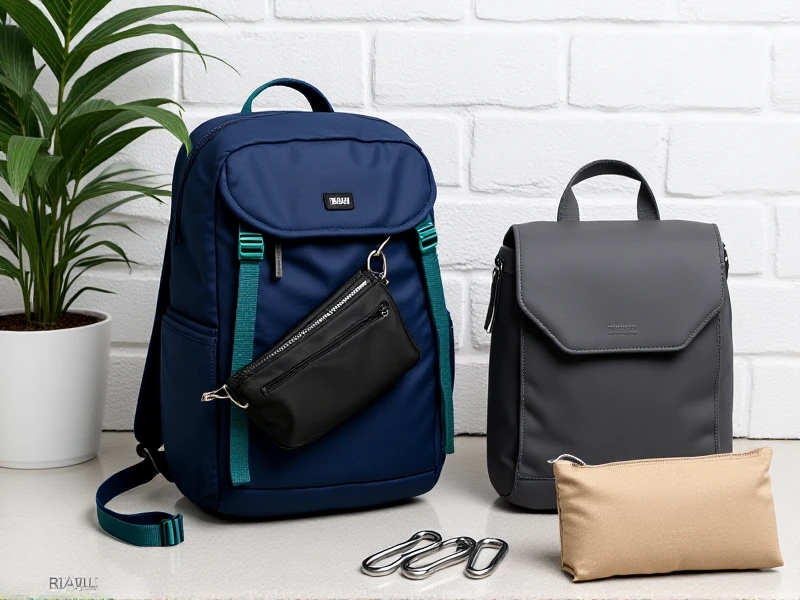
Whether you're navigating campus, trekking mountain trails, commuting to the office, or exploring a new city, a reliable backpack is an essential companion. It carries your world securely, comfortably, and conveniently. But with countless options available, finding the right one can feel overwhelming. This guide cuts through the noise, highlighting key considerations to ensure your next backpack truly fits your lifestyle.
1. Define Your Primary Purpose: The most crucial step! Your main activity dictates the backpack features you need.
- Commuting/Laptop Carry: Prioritize padded laptop compartments (check the size!), organizational pockets (for keys, wallet, charger), comfortable straps for daily wear, and perhaps water-resistant materials. Look for sleeker designs if professionalism matters. Brands like Samsonite and Timbuk2 offer great options.
- Travel: Focus on durable materials, security features (lockable zippers, anti-theft panels), comfortable weight distribution for longer wear, and potentially a carry-on compliant size (typically 40-45L). Consider compression straps to save space. Travel pros often love Osprey or Pacsafe.
- Hiking/Day Trips: Comfort is paramount! Look for supportive, padded shoulder straps and a hip belt (crucial for transferring weight), breathable back panels, hydration reservoir compatibility, durable and water-resistent fabrics (like Cordura or ripstop nylon), and sufficient capacity (20-35L is ideal for day hikes). External attachment points for poles or gear are a plus. Think Deuter or Gregory.
- School/College: Needs durability for heavy textbooks, comfortable wide straps, ample storage for books, notebooks, and a laptop, plus pockets for smaller essentials. Weather resistance is always a bonus.
2. Key Features to Scrutinize:
- Capacity (Liters): Don't under or overestimate. 15-25L suits commuting/light daily use. 25-40L handles heavier school loads or weekend travel. 40L is for travelers and backpackers. Consider both volume and how the backpack is organized internally.
- Comfort & Fit: This is non-negotiable. Look for: *Padded shoulder straps (especially if carrying heavier loads), Padded, ventilated back panel (prevents sweat buildup), Adjustable sternum strap (stabilizes the load), Hip belt (transfers weight to your hips – essential for hiking or heavy loads). Always try it on loaded if possible!
- Material & Durability: Look for robust fabrics like nylon (Cordura is premium), polyester, or canvas. Higher denier numbers often indicate greater durability. Ensure zippers are quality (YKK is a reliable brand) and stitching is reinforced on stress points.
- Organization: How many compartments and pockets do you need? Consider a dedicated laptop sleeve (padded!), water bottle pockets, quick-access pockets for valuables, pen slots, key clips, and main compartment organization. Too few? Chaos. Too many? Can add weight and complexity. Jansport is famous for simple, effective organization.
- Weather Resistance: A water-resistant coated fabric is standard. For serious rain or hiking, look for backpacks with a built-in rain cover or made with waterproof materials like TPU-laminated fabrics. Taped seams significantly boost water resistance.
3. Fine-Tuning Your Choice:
- Weight: An overly heavy empty backpack adds unnecessary load. Balance durability with weight savings.
- Access: Top-loading is classic and secure. Panel-loading or front-access makes grabbing items from the depths much easier. Some travel packs offer rear access to the laptop compartment for security.
- Looks & Style: While function comes first, you want a backpack you like! Many brands offer diverse styles and colors beyond basic black.
Caring for Your Backpack: Extend its life! Spot clean with mild soap and water. Air dry thoroughly. Avoid machine washing unless explicitly stated by the manufacturer, and usually without detergent. Store it empty, unstuffed, in a cool, dry place.
Final Thoughts: The perfect backpack strikes a balance between functionality, comfort, durability, and style tailored to your specific needs. Think hard about how you'll use it most, prioritize the essential features, and try to test it (even just holding weight) before buying. Investing time now in finding the right backpack means years of comfortable, reliable, and organized carrying adventures. Get out there and find your perfect pack!